
Tunnel Pasteurizer
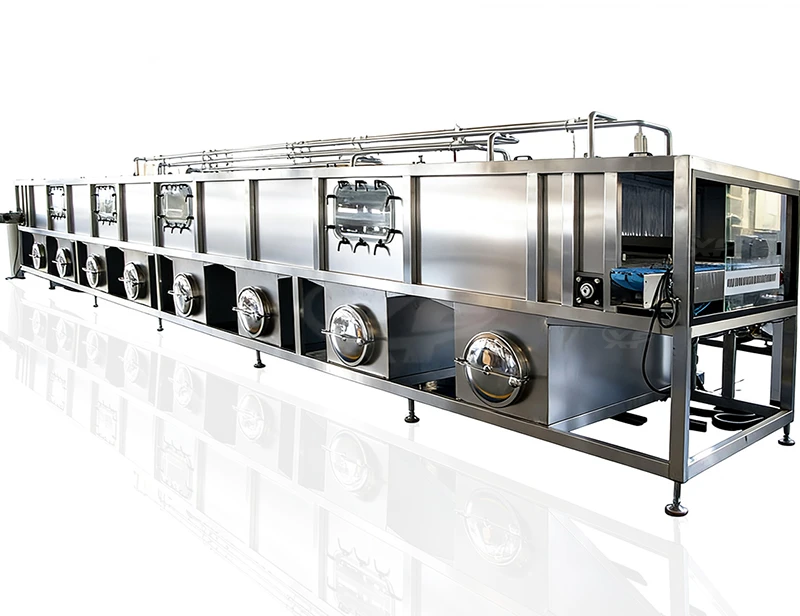
The pasteurization tunnel is designed to heat treat liquid products such as milk and juice at a controlled temperature for a specific time to kill harmful bacteria while preserving the products’ nutritional value and extending their shelf life.
Product Definition & Core Value
A tunnel pasteurizer is essential equipment in beverage production, designed to extend the shelf life of bottled or canned products by eliminating harmful microorganisms through precise thermal treatment. Unlike flash pasteurization of bulk liquid, this process treats the product within its final, sealed packaging. This ensures both the beverage and its container are sterilized, providing ultimate safety, stability, and quality preservation for a wide range of drinks
Working Principle & Process Flow
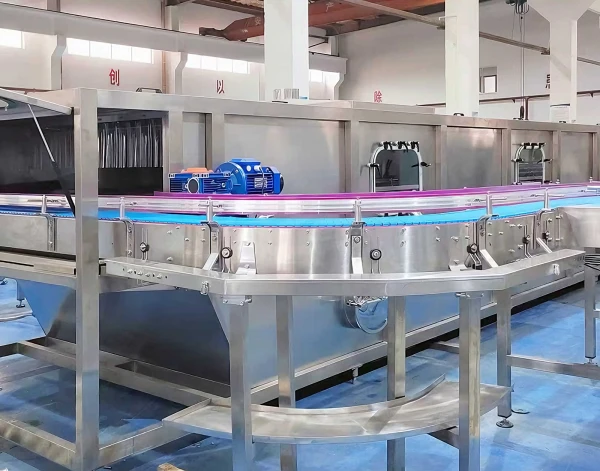
The machine operates on a continuous, automated conveyor system. Packaged products sequentially pass through several controlled temperature zones:
By Sterilization Type
Pre-heating Zone: Gradual temperature increase using warm water sprays to minimize thermal shock.
Heating Zone: Temperature is raised to the precise pasteurization level (e.g., 60-80°C).
Holding (Sterilization) Zone: Products are maintained at the target temperature for a predetermined period (e.g., 10-30 minutes) to achieve the required Pasteurization Units (PU).
Cooling Zones: Gradual cooling first with warm water, then with cold or tap water to near ambient temperature.
The entire process is controlled by a PLC system, ensuring precision and repeatability
Key Technical Parameters (Customizable)
The following parameters are based on common models and can be tailored to specific needs:
Capacity: 2,000 to 36,000+ bottles/cans per hour (BPH/CPH).
Pasteurization Temperature: Typically 65°C – 80°C, adjustable.
Processing Time: 15 – 45 minutes (total cycle).
Temperature Control Accuracy: ±1°C.
Conveyor Belt: Stainless steel mesh or plastic chain.
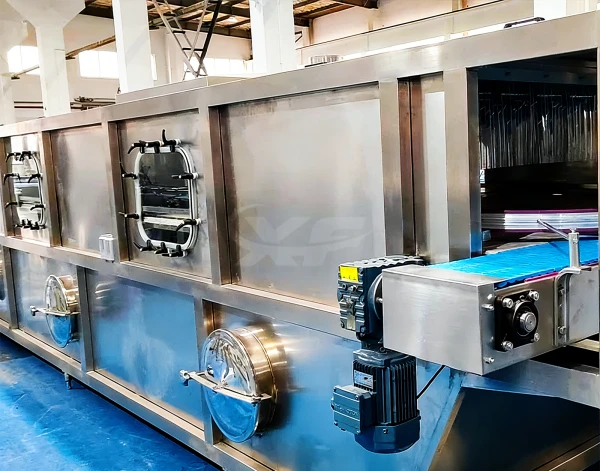
Construction Material: Main body in SUS304/316 stainless steel.
Control System: Fully automatic PLC with touchscreen HMI.
Energy Source: Steam (pressure 0.2-0.4 MPa) or electric heating.
Typical Dimensions (LxWxH): Customizable, e.g., 17,000 x 3,300 x 1,750 mm for a 6,000 BPH line.
Key Technical Parameters (Customizable)
The pasteurizer market is evolving with a strong focus on sustainability, efficiency, and flexibility. Here are key trends for 2025:
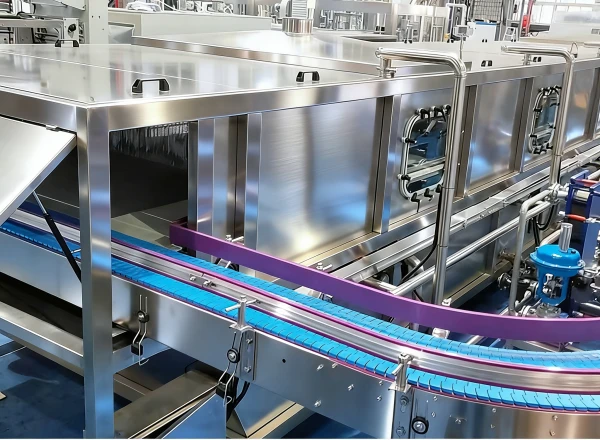
Energy & Water Efficiency: Leading manufacturers are introducing innovations like patented water deflection systems and single heat-exchanger recirculation loops.
These technologies prevent unnecessary water mixing and optimize thermal distribution, reportedly reducing energy consumption by over 30% compared to traditional systems
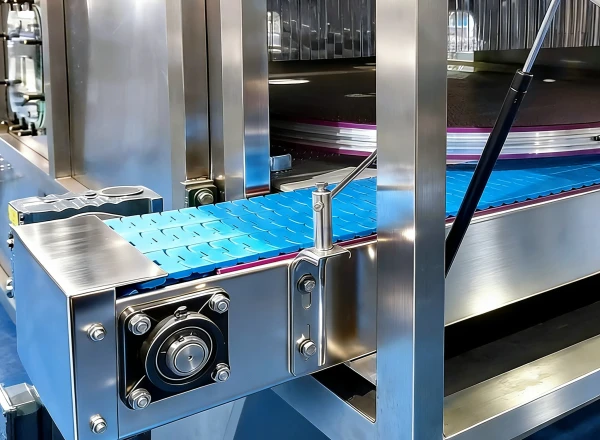
Modular & Double-Deck Designs: Modular construction allows for flexible layout adaptation and easier future expansion.
Double-deck pasteurizers are gaining popularity for maximizing capacity within a smaller factory footprint
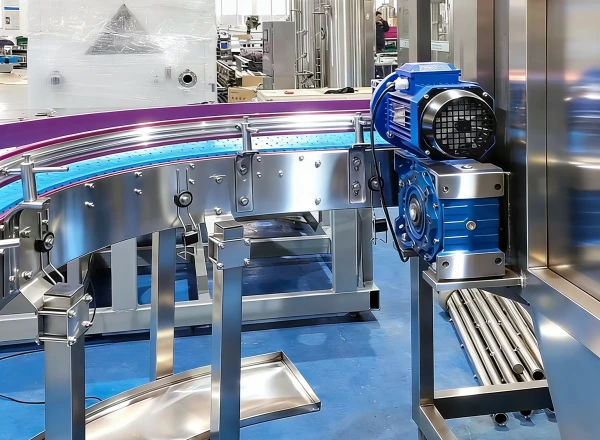
Market Growth & Demand: The global market continues to grow, driven by demand in the beer, juice, and dairy sectors.
Real-world procurement projects, such as a major dairy company’s investment in a new production line, confirm ongoing industry demand
Key Features of WS1500×6000 System
Fully Automated Operation: Equipped with Siemens PLC and touchscreen interface for programmable sterilization processes.
High-Capacity Design: Suitable for large-batch processing with a working volume of 1500×6000 mm.
Spray Sterilization & Cooling: Uniform spray distribution ensures consistent temperature and thorough cooling.
Stainless Steel Construction: Made from food-grade S30408 stainless steel, compliant with GB24511 standards.
Safety Systems: Includes safety interlocks, pressure balance devices, and emergency stop functions.
Energy Efficient: Designed with insulation layers and efficient circulation pumps to reduce energy consumption.
Technical Specifications
| Item | Specification |
|---|---|
| Working Pressure | 0.25 MPa |
| Design Pressure | 0.35 MPa |
| Working Temperature | 125°C |
| Design Temperature | 145°C |
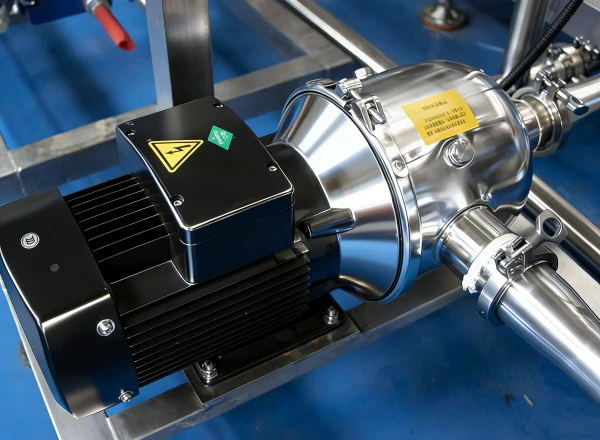
| Circulation Pump | 87 m³/h, 38 m head, 15 kW motor |
| Control System | Siemens PLC + 7-inch HMI |
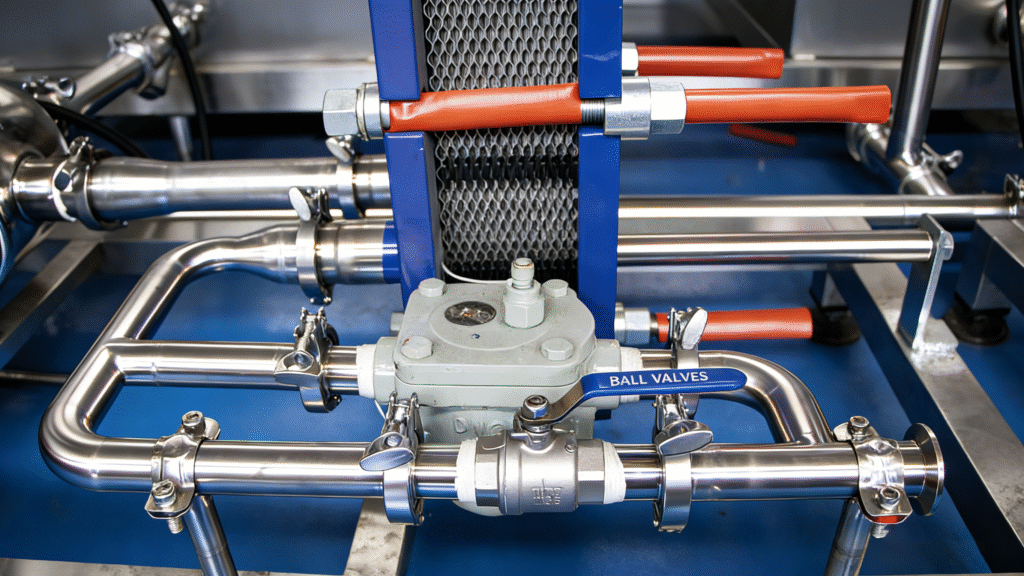
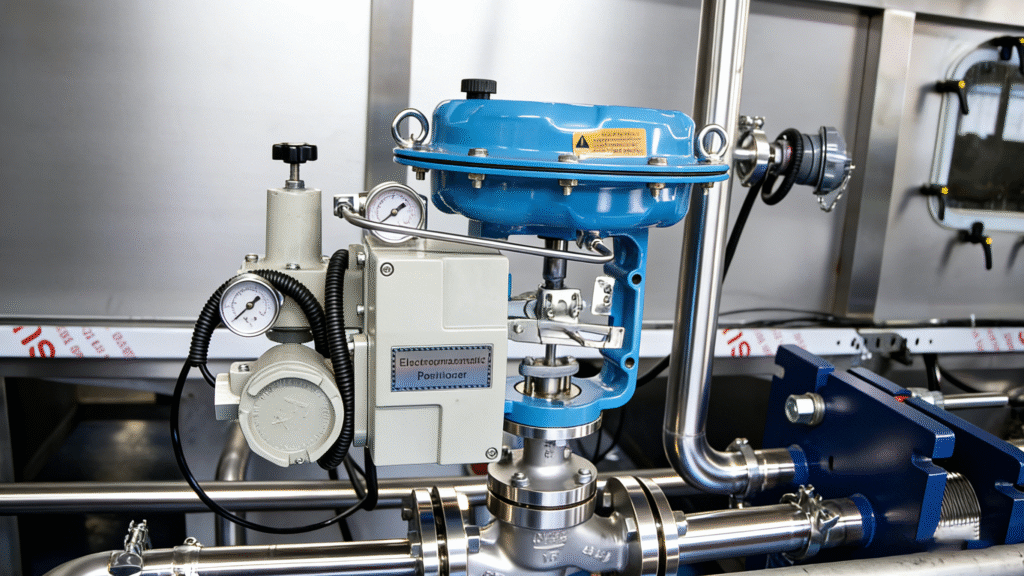
| Valve System | Pneumatic angle seat valves, ball valves, and butterfly valves |
| Sensors | Temperature (0–200°C) and pressure (0–0.6 MPa) sensors |
| Material | Stainless Steel S30408 (06Cr19Ni10) |
| Dimensions (L×W×H) | Approx. 9 m × 3 m × 2.5 m (operational space: 11 m length recommended) |
Installation Requirements (Customer-Prepared)
Steam Supply:
2-ton boiler, steam main pressure maintained at 0.4–0.6 MPa in the workshop.
Air Supply:
2 m³ air compressor (8 bar) and 2 m³ air storage tank for pneumatic valves.
Cooling Water Tank:
15 m³ capacity (e.g., FRP or plastic tank) for cooling purposes.
Utilities Connection:
Customer to prepare connecting pipelines for steam, air, water, and drainage.
Power Supply:
Three-phase four-wire power supply, full load approx. 15 kW.
Typical Applications in Beverage Processing
Juice Products:
Usually pasteurized using a pasteurization tunnel with spray cooling to preserve flavor and nutrients.
Carbonated Soft Drinks:
Typically processed using a warm bottle machine to prevent bottle stress and maintain carbonation.
Carbonated Beer:
Commonly sterilized using a pasteurization tunnel to ensure product stability and shelf life.
Why Choose This System?
Precision Control:
Real-time monitoring of temperature and pressure.
Hygienic Design:
Easy to clean and maintain, suitable for food-grade production.
Flexible Configuration:
Can be customized with different basket sizes, spray layouts, and control modules.
Reliable Performance:
Built with high-quality valves, sensors, and structural components for long-term operation.